How Marketplaces Can Expand an Online Retail Business
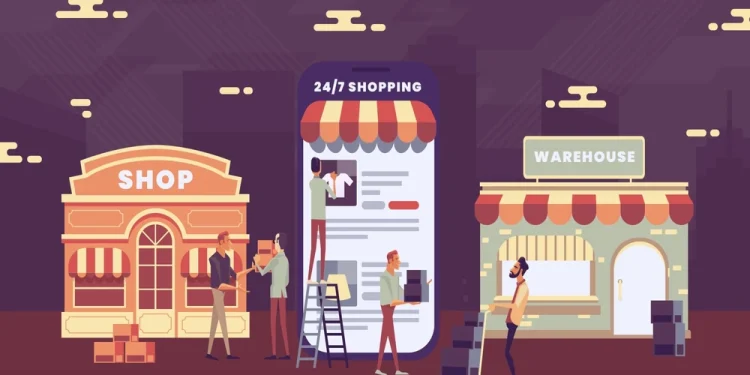
Selling purely on your own standalone website can sometimes feel like opening a shop on a quiet side street. You have total control over the design and branding, but getting people through the front door takes constant work and heavy ad spend.
Choosing the right sales channels can make a significant difference when a business is ready to reach more customers. An e-commerce marketplace provides access to established shopping audiences while giving retailers another place to showcase their products and generate sales. When used alongside a branded website, this approach can broaden visibility, diversify revenue sources, and provide valuable insights into customer demand without relying on a single online channel.
That is where online marketplaces come in. Platforms like Amazon, eBay, Walmart, and Etsy act like massive, bustling digital shopping malls. Adding these channels to your sales strategy can quickly take your retail business to the next level. Here is how leveraging marketplaces helps expand your online brand.
Instant Access to Millions of Ready Buyers
Building traffic to a brand-new website takes months of effort, content creation, and ad spending. Marketplaces hand you a massive, built-in audience from day one.
People visiting sites like Amazon or Etsy aren’t casually scrolling they are searching with their credit cards in hand, ready to buy. Listing your products where millions of shoppers already hang out gives your brand instant visibility that would take years to build on your own site.
Borrowing Built-in Consumer Trust
Getting first-time shoppers to hand over their credit card info on an unfamiliar website is a major hurdle. People naturally worry about security, slow shipping, or difficult return processes.
Marketplaces solve this trust gap immediately. When customers buy your item through a major platform, they rely on that platform’s buyer protection, secure payment processing, and customer support. That built-in trust converts hesitant browsers into confident buyers far faster.
Lowering Your Customer Acquisition Costs
Digital advertising costs on social media platforms keep rising every year. Relying solely on paid ads to drive every single site visitor quickly eats up your profit margins.
While marketplaces charge seller fees or commissions on transactions, you only pay when an actual sale happens. This makes your marketing spend far more predictable and helps lower your overall customer acquisition costs while scaling up order volume.
Offloading Complex Logistics and Fulfillment
Packing boxes, printing shipping labels, and handling international logistics can quickly overwhelm a growing business. Many large marketplaces offer built-in fulfillment programs.
By shipping your bulk inventory directly to their warehouses, the marketplace handles picking, packing, fast shipping, and customer service. This frees up your daily schedule so you can focus on business growth instead of packing tape.
Testing New Products with Low Financial Risk
Expanding your product line on your main website involves financial risk. If a new item flops, you are left with unsold stock and wasted marketing dollars.
Marketplaces double as excellent testing grounds. You can list small batches of new products or test different price points to see what sticks with real shoppers. The immediate traffic gives you fast feedback on demand, helping you make smarter, data-backed inventory decisions.
Summary
Using online marketplaces isn’t about giving up your own website it’s about creating multiple streams of income for your brand. By combining the massive reach and trust of big platforms, you build a resilient, multi-channel business built for real long-term expansion.