Smart Wind Speed Instrument Systems for Accurate and Real Time Data
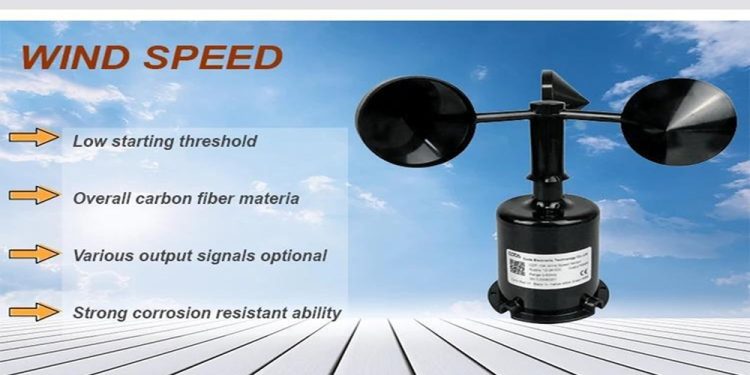
Wind is one of the most dynamic natural forces, constantly changing in speed and direction. Measuring it accurately is essential for industries that depend on environmental data. A modern wind speed instrument helps transform invisible airflow into precise, actionable insights. At the core of this technology is the powerful anemometer sensor, designed to capture wind behavior with high accuracy.
As industries shift toward automation and smart monitoring, wind measurement devices are no longer optional-they are critical tools. This article explores how wind speed instruments work, the evolution of anemometer sensors, and how they are transforming industries worldwide.
Understanding Wind Speed Measurement in Today’s World
Wind measurement is not just about knowing how fast the air is moving. It’s about understanding patterns, predicting changes, and improving safety and efficiency.
A wind speed instrument measures the velocity of air and often provides additional data such as gust intensity and direction.
This information is essential for:
- Weather prediction systems
- Renewable energy optimization
- Industrial safety monitoring
- Environmental research
The accuracy of this data depends heavily on the quality of the anemometer sensor being used.
Evolution of the Anemometer Sensor
The anemometer has come a long way from its early mechanical designs. What started as simple rotating devices has now evolved into advanced digital systems capable of real-time data transmission.
Traditional Systems
Earlier wind speed instruments relied on moving parts such as cups or blades. These systems were:
- Easy to use
- Cost-effective
- Suitable for basic applications
However, they required regular maintenance and were less accurate in extreme conditions.
Modern Smart Sensors
Today’s anemometer sensors are built with advanced technology:
- Digital signal processing
- Wireless connectivity
- Integration with IoT platforms
- Enhanced durability
These improvements allow for continuous monitoring with minimal human intervention.
How a Wind Speed Instrument Captures Data
Every wind speed instrument operates on the same fundamental concept-detecting wind interaction and converting it into measurable output.
Here’s how the process typically works:
- Wind passes through or around the sensor
- The sensor reacts based on its design
- Movement or change is converted into an electrical signal
- The system calculates wind speed using algorithms
- Data is displayed or transmitted in real time
Different types of anemometer sensors use different detection methods, which impacts their performance and application.
Types of Wind Speed Instruments You Should Know
Choosing the right wind speed instrument requires understanding the available technologies.
Cup-Based Anemometer Sensor
One of the most widely used designs.
- Rotating cups capture wind energy
- Speed of rotation reflects wind velocity
- Common in weather monitoring systems
Propeller Wind Speed Instrument
This type is designed for directional airflow measurement.
- Uses a propeller aligned with wind direction
- Provides both speed and directional data
- Often used in ventilation studies
Thermal (Hot Wire) Anemometer Sensor
Ideal for detecting low-speed airflow.
- Uses a heated element
- Wind cools the element
- Cooling rate determines wind speed
Ultrasonic Wind Speed Instrument
A modern, high-performance solution.
- Uses sound waves instead of moving parts
- Measures time differences in wave transmission
- Highly accurate and maintenance-free
Specialized Sensors
Advanced industries use unique technologies such as:
- Pressure-based instruments
- Laser Doppler sensors
These are typically used in research and aerospace environments.
Why Anemometer Sensors Are Essential Across Industries
The importance of wind speed instruments extends far beyond weather stations. Let’s explore their impact across various sectors.
Renewable Energy and Wind Farms
Wind energy relies entirely on accurate wind data.
- Determines turbine placement
- Maximizes energy output
- Reduces operational risks
A reliable anemometer sensor ensures consistent and efficient power generation.
Smart Agriculture
Farmers are increasingly adopting smart technologies.
- Monitor wind before spraying pesticides
- Protect crops from strong winds
- Optimize irrigation planning
Wind data helps reduce waste and improve yield.
Construction and Safety
Wind conditions can affect structural stability and worker safety.
- Monitor wind loads on buildings
- Ensure safe crane operations
- Prevent accidents at high altitudes
Aviation Industry
Wind speed instruments are critical for flight safety.
- Assist in runway operations
- Provide real-time weather data
- Help pilots make informed decisions
Environmental and Climate Monitoring
Tracking environmental changes requires accurate wind measurement.
- Monitor air pollution spread
- Study climate trends
- Analyze ecosystem changes
Key Advantages of Modern Wind Speed Instruments
Today’s wind speed instruments are designed for performance, reliability, and connectivity.
Real-Time Monitoring
Instant data helps industries react quickly to changing conditions.
High Accuracy
Advanced sensors reduce errors and improve decision-making.
Durability
Modern instruments are built to handle extreme weather conditions.
Low Maintenance
Ultrasonic and digital sensors minimize the need for manual servicing.
IoT Integration
Data can be transmitted to cloud systems for remote monitoring and analysis.
Selecting the Right Wind Speed Instrument for Your Needs
Not all wind speed instruments are created equal. Choosing the right one depends on your specific requirements.
Consider the Application
Different industries require different levels of accuracy and responsiveness.
Evaluate Environmental Conditions
Outdoor installations need weather-resistant and durable sensors.
Check Data Compatibility
Ensure the sensor integrates with your monitoring systems.
Assess Maintenance Needs
Low-maintenance options are ideal for remote or large-scale deployments.
Plan for Scalability
Choose solutions that can grow with your system.
Future Trends in Wind Measurement Technology
The future of wind speed instruments is driven by innovation and connectivity.
Smart Monitoring Systems
Sensors are becoming part of larger intelligent networks.
AI and Predictive Analytics
Wind data is being used to forecast patterns and automate responses.
Wireless Sensor Networks
Remote monitoring is becoming faster and more efficient.
Sustainable Technology Integration
Wind measurement is playing a key role in building greener solutions.
Conclusion
A wind speed instrument is no longer just a measurement device-it is a vital component of modern environmental intelligence. With advanced anemometer sensors, industries can monitor wind conditions with unmatched accuracy and efficiency.
From renewable energy to aviation and agriculture, these instruments are shaping smarter, safer, and more sustainable operations. As technology continues to evolve, wind measurement systems will become even more powerful, connected, and essential in our everyday world.